The Psychology of Gambling
Understanding the psychology behind gambling reveals a significant aspect of what makes casino games addictive. Many players are drawn in by the thrill of risk and the hope of winning, which stimulates the brain’s reward system. This system releases dopamine, a neurotransmitter that plays a crucial role in pleasure and reinforcement. The intermittent rewards—occasional wins against numerous losses—create a cycle that keeps players returning for more, especially when they seek options like crypto casino instant withdrawal to enhance their experience. The emotional highs associated with wins, however small, contribute to a compelling loop that keeps players engaged.
Additionally, the environment of a casino is carefully designed to enhance this psychological pull. Bright lights, exciting sounds, and the presence of other enthusiastic gamblers create an immersive experience that heightens emotions. This sensory overload can lead to a loss of track of time and money, making it easy for individuals to become consumed by the game. The design of these environments plays into the escapism often sought by players, allowing them to momentarily forget their worries and immerse themselves in the thrill of the game. As social interactions often occur in these settings, the collective excitement can further fuel enthusiasm and addictive behavior.
Moreover, cognitive biases, such as the illusion of control, can amplify the addictive nature of casino games. Players often believe they can influence outcomes in games of chance, leading to increased participation. This false sense of agency can encourage gamblers to continue playing, even when the odds are not in their favor. By reinforcing this belief, casinos perpetuate a cycle of play that keeps individuals engaged, further blurring the lines between entertainment and compulsion. Understanding these psychological factors is crucial for recognizing why many find it difficult to walk away from gambling.
The Role of Game Design
Game design plays a pivotal role in the addictiveness of casino games. Developers employ various psychological principles to create games that are not only entertaining but also habit-forming. Features such as continuous play, instant feedback, and visual rewards create a highly engaging experience that encourages players to keep coming back. For instance, many slot machines have themes and narratives that draw players in, while the sounds and graphics are intentionally designed to signal wins, regardless of whether they are significant or small. These design choices create a sense of gratification that keeps players wanting more.
Additionally, the concept of « near-misses » is leveraged in game design to entice players. Near-misses occur when players almost win, creating a feeling of excitement that can trick the brain into perceiving a greater chance of success. This phenomenon can lead to a cycle of play where gamblers feel that they are close to a win and are more likely to continue gambling, despite the odds not being in their favor. The use of near-misses is a powerful psychological tactic that keeps players engaged longer than they initially intended.
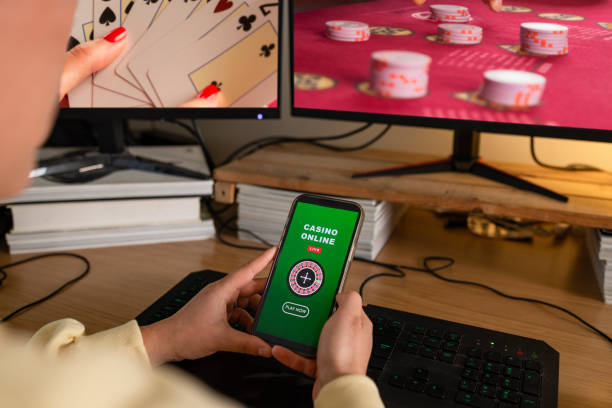
The integration of features like bonuses, promotions, and leaderboards further enhances engagement. Players are often motivated by the desire to achieve rewards that are presented as attainable goals. This encourages them to play longer in hopes of hitting a jackpot or achieving a high score. As players become more invested in progressing through levels or earning points in a competitive environment, it fosters a sense of accomplishment and attachment to the game. This continuous push for achievement can create a more addictive cycle, as players feel compelled to return to chase their aspirations.
The Impact of Social Interaction
Social interaction within casino games represents another layer to their addictive nature. Gambling often brings a sense of community, where players can share experiences, strategies, and victories. This social aspect is particularly pronounced in games that incorporate multiplayer elements or live dealer options, where players can interact with one another as well as with dealers. The sense of camaraderie can enhance the enjoyment of the experience and create an emotional bond that makes leaving the game feel more difficult. This environment of shared excitement can often amplify the desire to continue playing.
Moreover, social media has changed the landscape of gambling, allowing players to showcase their wins and experiences online. These platforms can foster competition and engagement, as individuals seek validation and recognition from peers. The sharing of experiences on social media can further perpetuate the excitement surrounding gambling, reinforcing players’ desires to engage more frequently with casino games. This online presence can create pressure to participate, leading to increased gambling activity and a normalized culture around casino gaming.
In addition, the concept of peer influence cannot be underestimated. Observing friends or family enjoying a game can normalize the behavior and spur others to join in. The influence of friends can create a communal environment where the risks and consequences of gambling are downplayed, leading to an increase in playtime. The combination of camaraderie, competition, and community can create a powerful motivator that makes casino games even more addictive, as players feel encouraged to engage in this shared experience.
Understanding the Consequences
As casino games become more addictive, understanding the potential consequences is crucial. Many players may start to find that their hobbies turn into compulsive behaviors, impacting their personal lives, finances, and mental health. The thrill of gambling can morph into a dependency, which may lead to harmful decisions as individuals chase losses in an attempt to regain control. This often results in a downward spiral where financial strain can contribute to further stress, anxiety, and depression. Recognizing these signs early can be vital in seeking help before the situation escalates.

Moreover, addiction to gambling can strain interpersonal relationships. Friends and family members may become concerned about a loved one’s gambling habits, leading to conflicts or breakups. The secrecy and shame that often accompany gambling addiction can isolate individuals further, preventing them from seeking help or support. This cycle of addiction can create a ripple effect, affecting not just the individual but also those around them. Understanding the social ramifications can encourage individuals to consider their gambling habits more seriously.
The importance of awareness and education surrounding gambling addiction cannot be overstated. Promoting responsible gaming and providing resources and support for those struggling can help mitigate these issues. By understanding the signs of addiction and the impact of casino games, players can make informed decisions about their engagement with gambling, encouraging healthier habits and a more balanced approach to leisure activities. Such awareness is essential for fostering a culture of responsible gaming and ensuring that enjoyment remains a priority.
Visit Our Website for Support and Resources
For individuals seeking to understand more about the addictive nature of casino games or looking for support, our website is an invaluable resource. We provide comprehensive information about responsible gaming, signs of gambling addiction, and access to professional help. Our goal is to empower players with the knowledge they need to navigate the intricate landscape of gambling safely. By offering insights and practical advice, we aim to promote healthier engagement with gaming.
Additionally, our platform offers community forums where individuals can share experiences and seek advice from others who have faced similar challenges. By fostering a sense of community and support, we aim to create an environment where players can engage in gambling as a form of entertainment without compromising their well-being. This peer support can play a crucial role in helping individuals recognize their patterns and make positive changes.
Ultimately, the journey to understanding casino game addiction starts with awareness. Our website is committed to providing the information and resources you need to enjoy gambling responsibly, helping you strike a balance between fun and safety in your gaming experiences. With the right tools and support, players can enjoy the thrill of casino games while maintaining control over their gaming habits.